Concept Labs — The Heart of thePBL-TDLE Framework.
Every classroom. Every concept. Every student. A Concept Lab is where every learner investigates, measures, discusses and verifies the concepts that make problem-solving possible.
Science and mathematics are built upon concepts.
These concepts are the ideas, principles and laws that explain how the natural and mathematical world works. Students need them not merely to recall information, but to apply knowledge in problem-solving, research, innovation and real-life situations.
A student cannot solve a complex problem without correctly identifying, connecting and applying multiple concepts. But knowing the definition of a concept does not mean the concept has been developed. Genuine concept development requires students to observe, investigate, measure, analyse, discuss and verify it through experience.
This is why concepts and Concept Labs are placed at the centre of THECREATOR PBL-TDLE framework.
A classroom designed for demonstrations, experiments, investigation, measurement, data analysis, discussion and problem-solving.
It transforms the traditional classroom from a place where students mainly listen into an active learning environment where every student learns by doing.
Teachers bring concepts to life through real demonstrations.
Students handle scientific apparatus and perform experiments.
Every learner observes, measures and records data.
Students analyse results and discuss their observations.
Each concept is investigated and verified through evidence.
Developed concepts are applied to problems and real-life situations.
The objective is not simply to complete an experiment. Every experiment has a defined purpose — to develop, investigate and verify a specific concept.
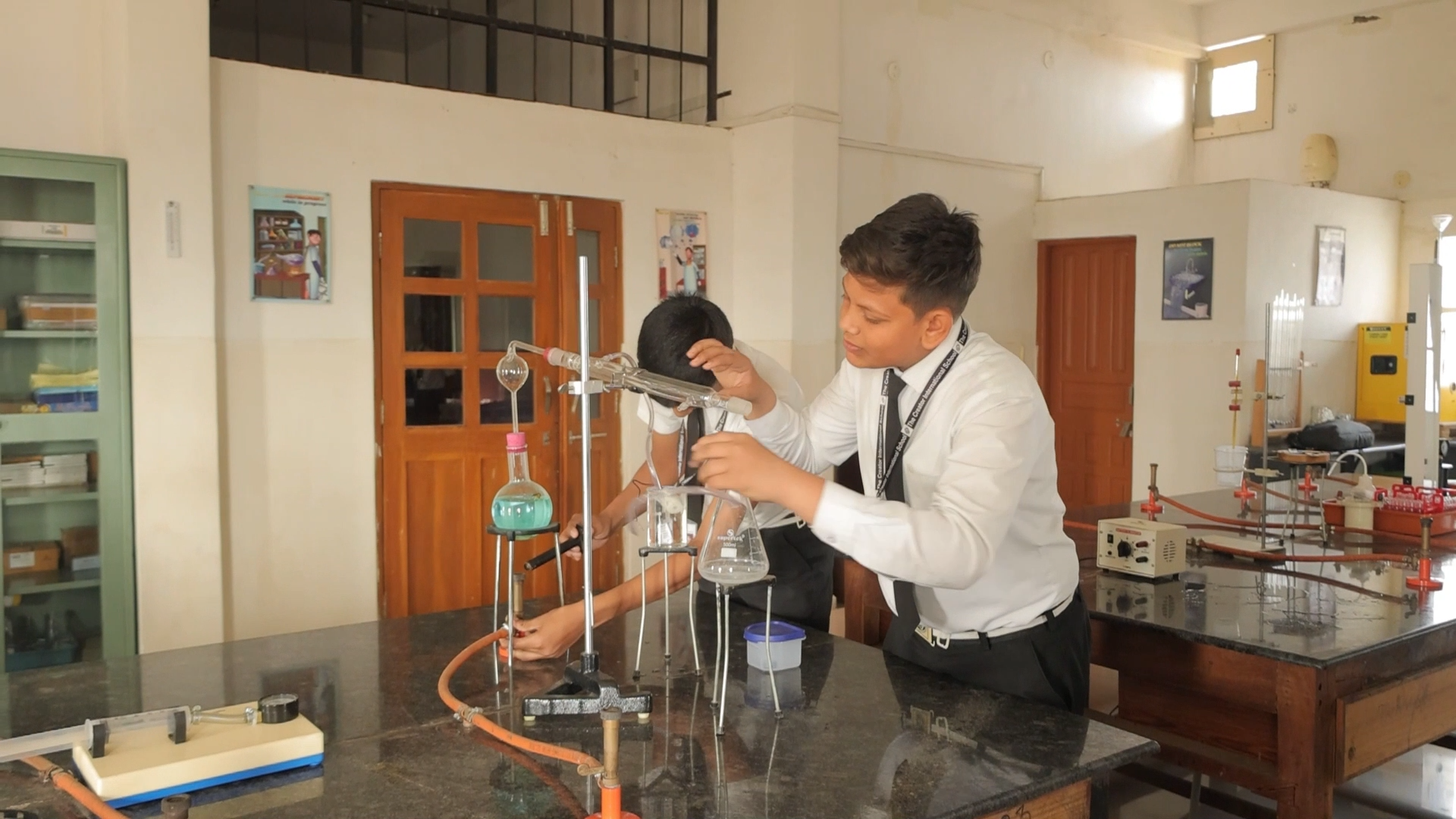
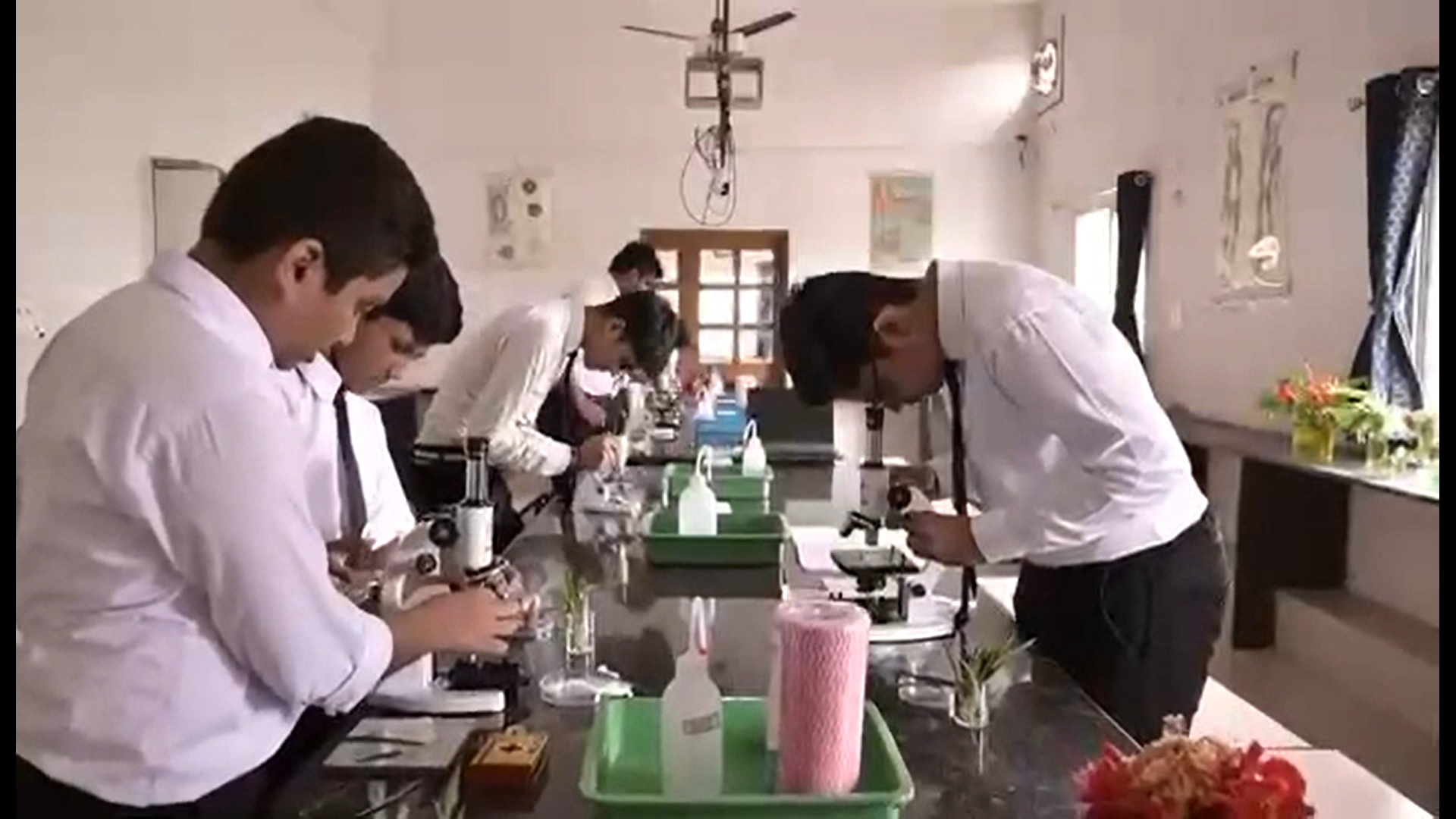
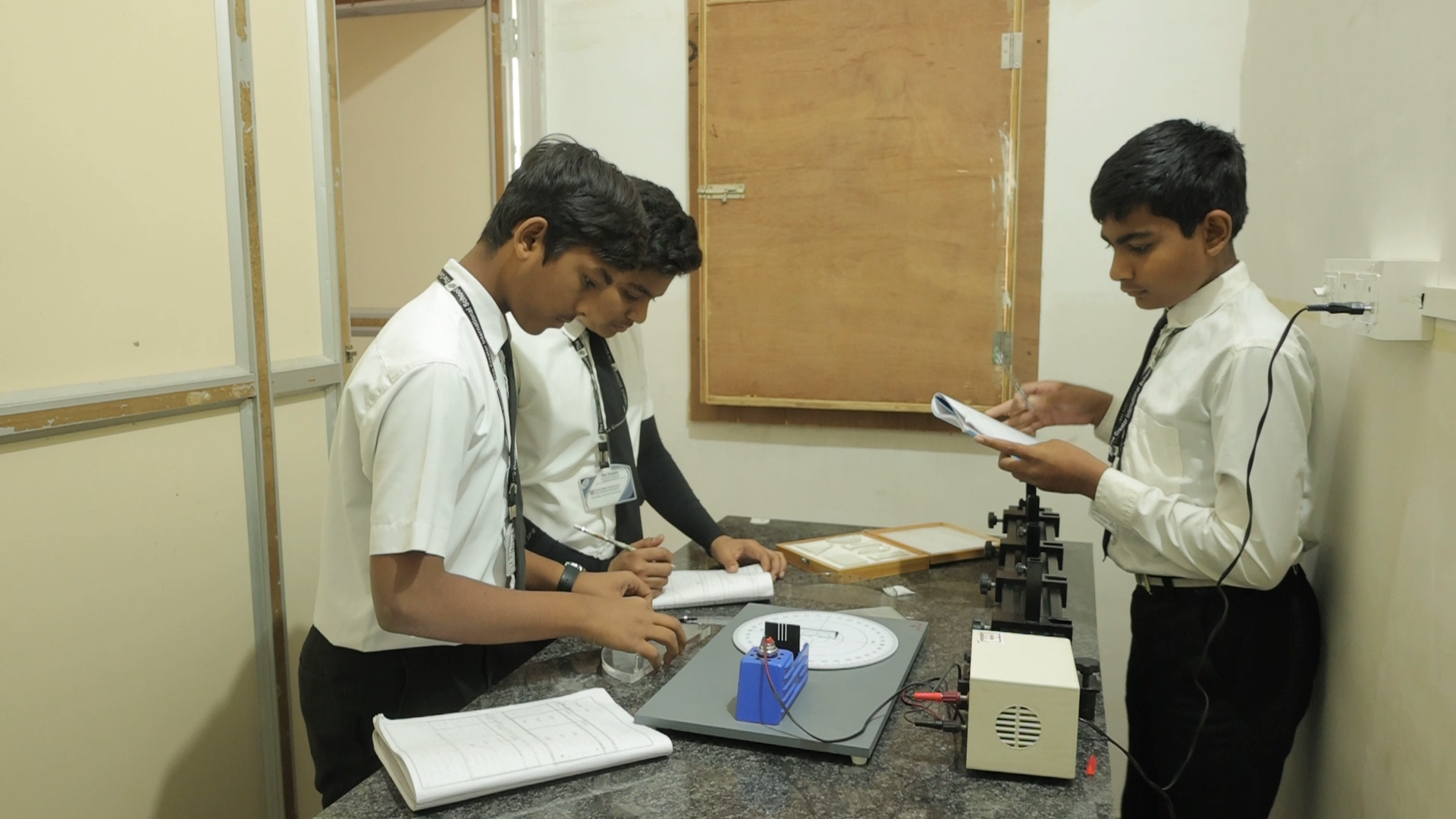
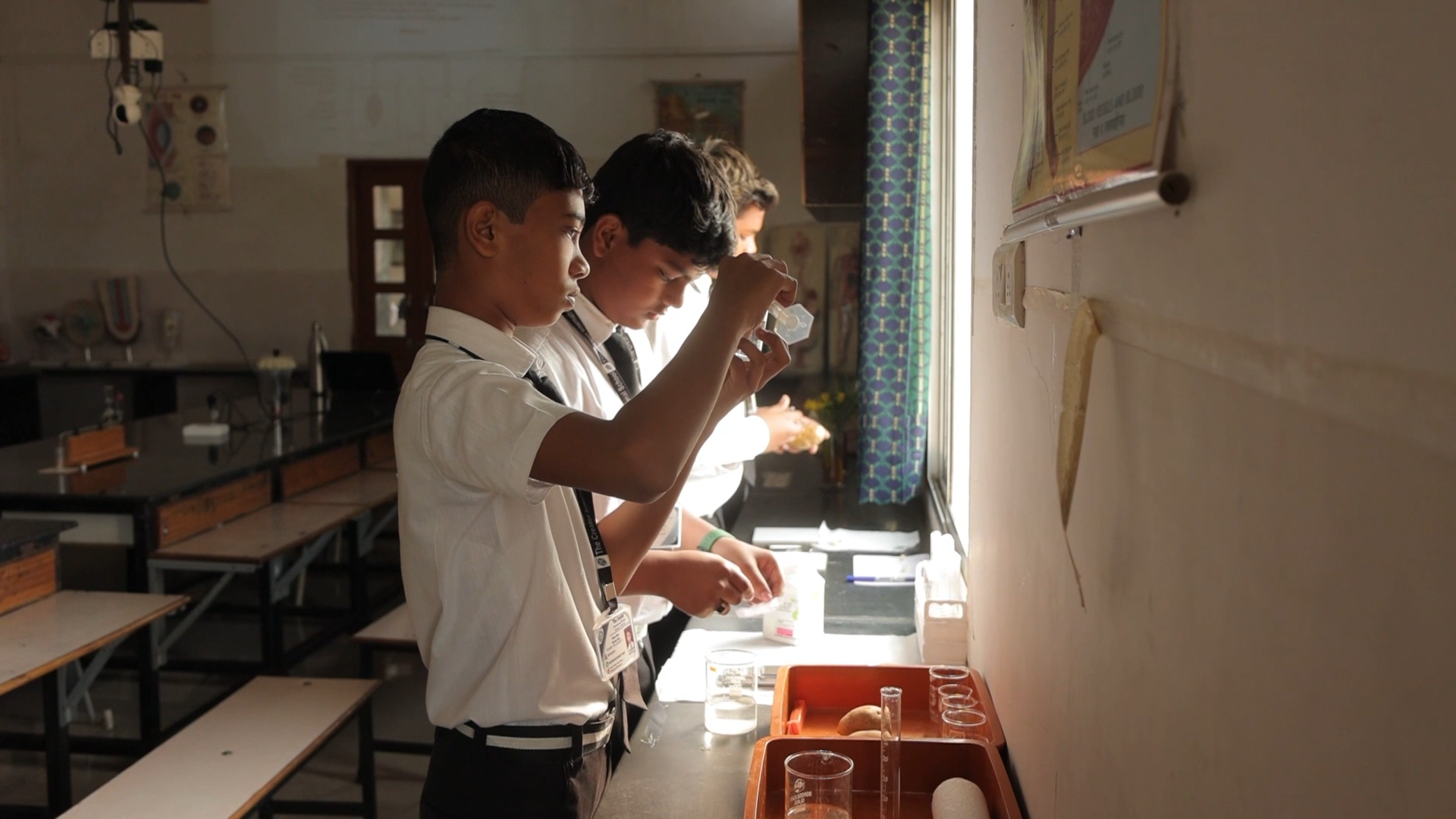
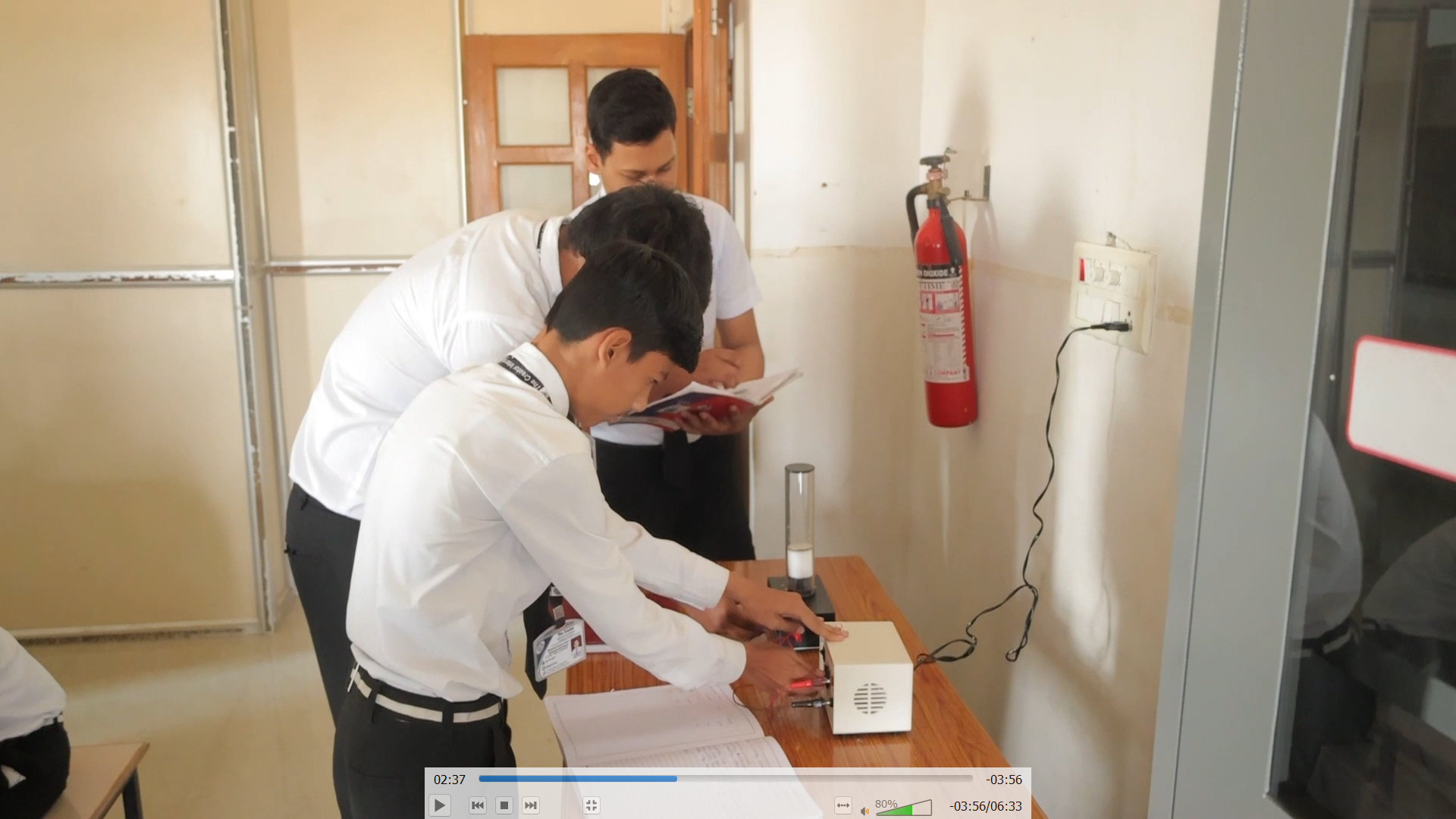
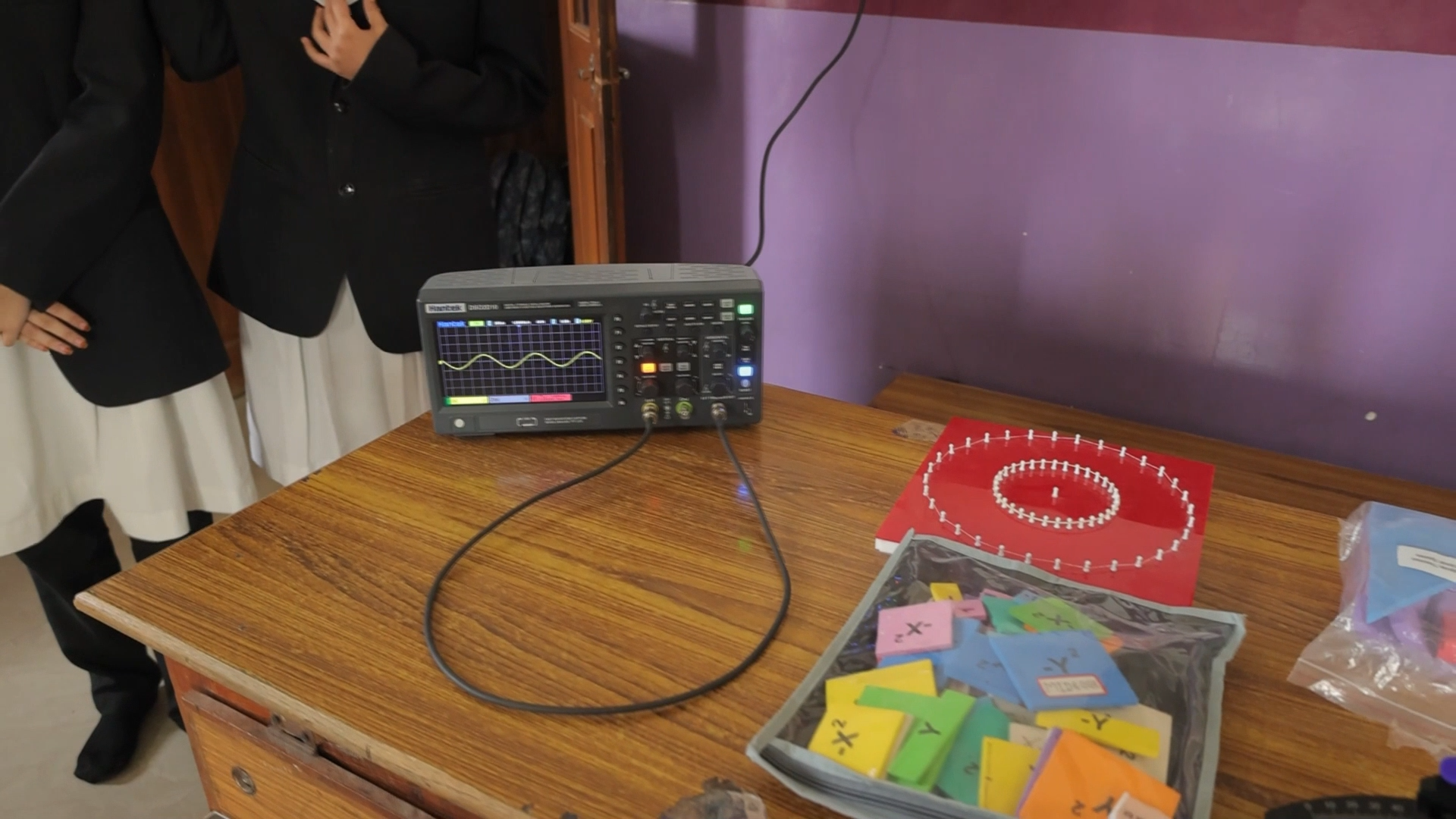
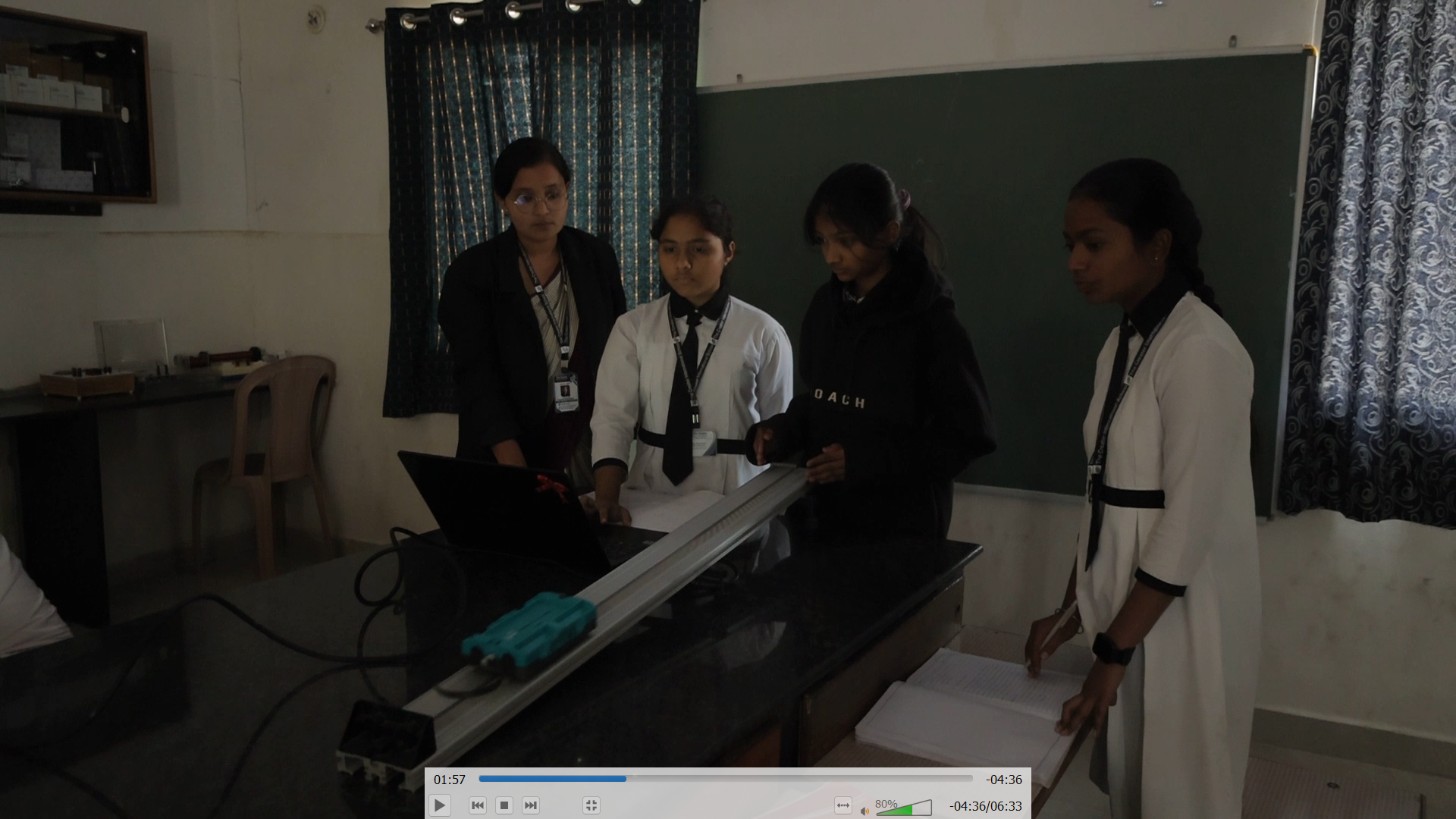
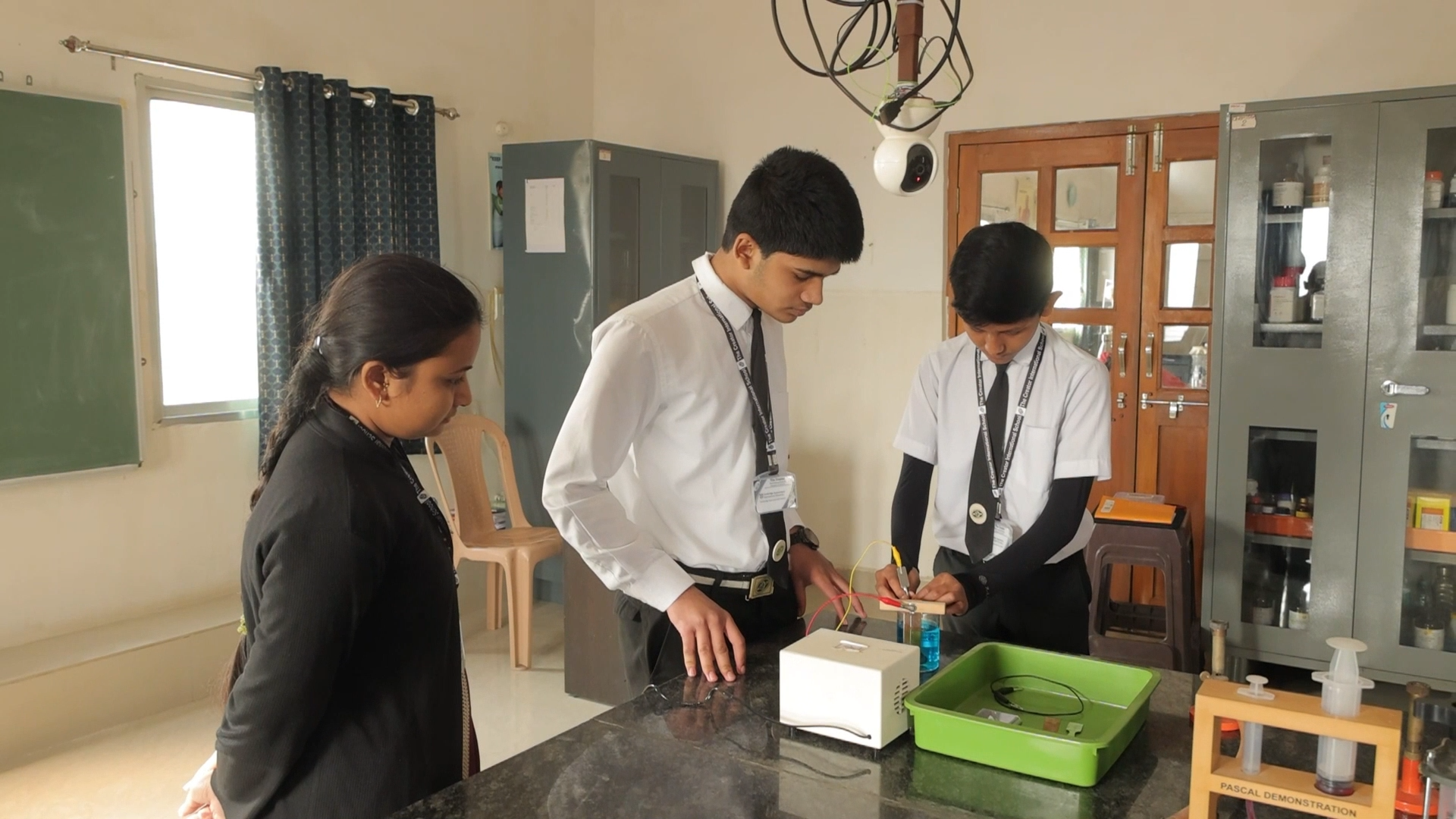
Apparatus that bring concepts to life.
THECREATOR Concept Labs are equipped with several hundred global-standard scientific apparatus, including advanced sensors and digital instruments. These tools let students measure accurately, observe clearly and analyse phenomena using reliable data.
Apparatus convert abstract ideas into visible and measurable experiences: a force can be measured, motion can be graphed, temperature can be monitored, chemical changes can be analysed, biological structures can be observed, and mathematical relationships can be physically explored.
- Observe scientific phenomena directly
- Collect reliable measurements
- Record and represent data
- Identify relationships and patterns
- Analyse graphs and results
- Compare predictions with observations
- Verify scientific and mathematical concepts
- Connect classroom learning with the real world
This makes learning clearer, easier and more meaningful.
Global-standard scientific apparatus
Including advanced Vernier sensors and digital instruments, sourced from Vernier and many other international suppliers — the same equipment used in leading laboratories worldwide.
Motion, force, energy, electricity, magnetism, optics — measured with digital sensors and graphed live.
Reactions, titrations, pH, temperature and gas analysis — observed and quantified precisely.
Microscopy, physiology, ecology and biochemistry — structures and processes made visible.
Geometry, algebra, probability and calculus — explored physically as a laboratory subject.
In the PBL-TDLE framework, every concept is linked with an apparatus, an experiment and a problem — experiments to develop the concept, and problems to apply it.
The idea, law or principle to be developed.
The global-standard instrument that makes it measurable.
The investigation that develops the concept through evidence.
The application that turns the concept into mastery.
Every experiment linked to a specific concept.
Several thousand experiments have been designed across Physics, Chemistry, Biology and Mathematics to investigate and verify concepts from the early years through Grade 12 and A Levels. Students progress from simple observation and measurement to advanced investigation, analysis and interpretation.
During an experiment, students do not passively watch. They:
This systematic process moves students from concept awareness to concept development and finally to concept mastery.
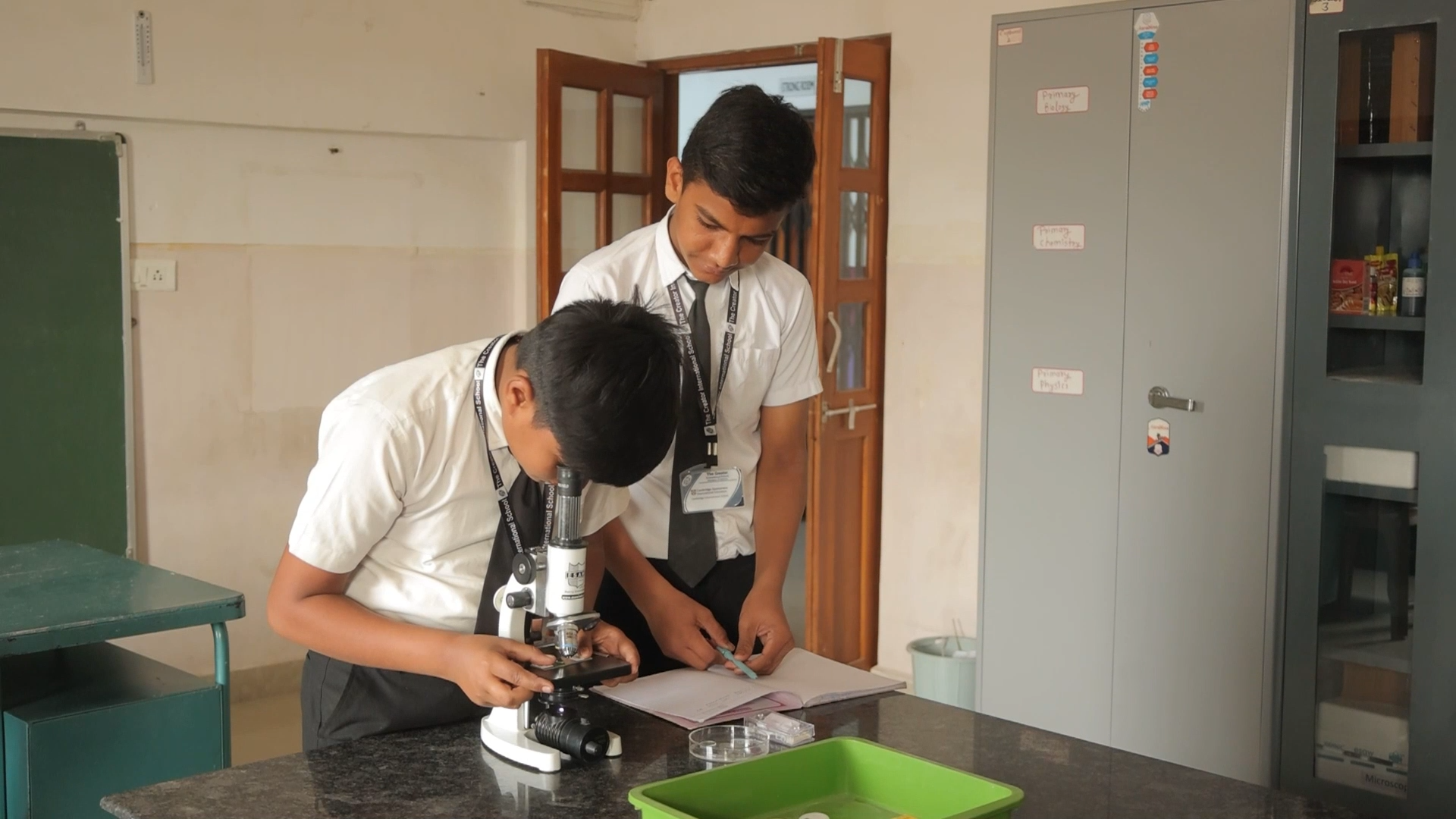
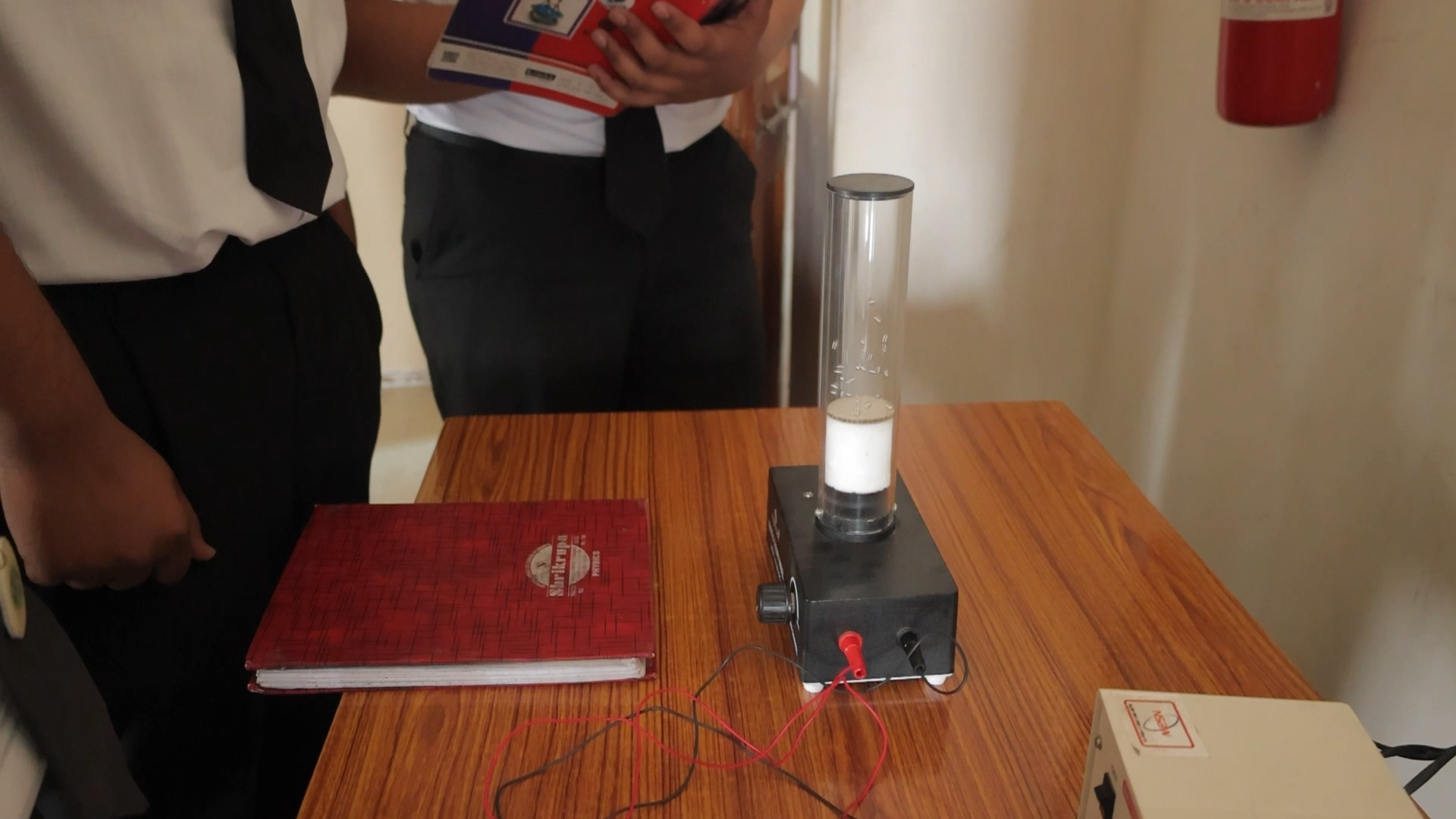
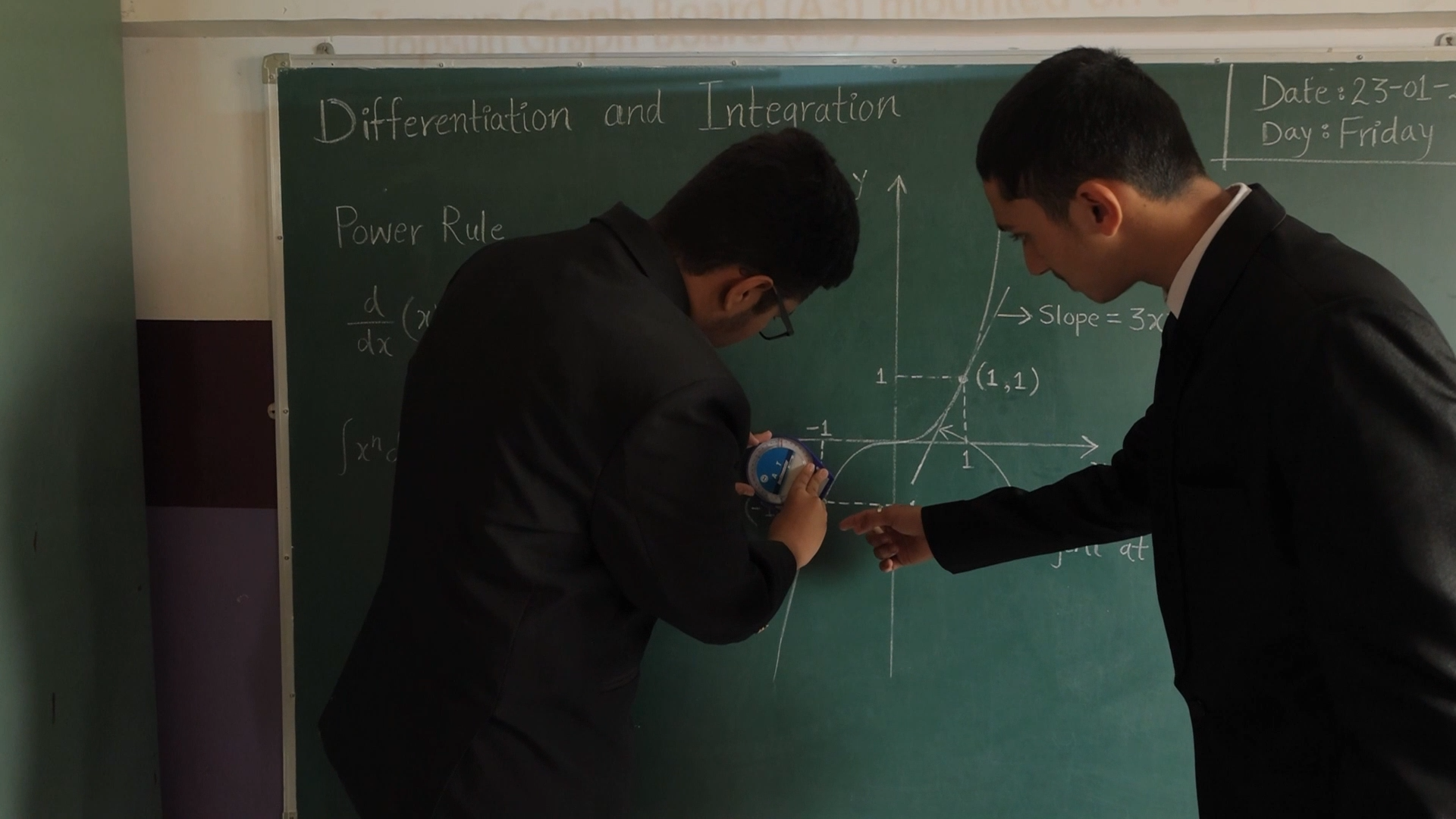
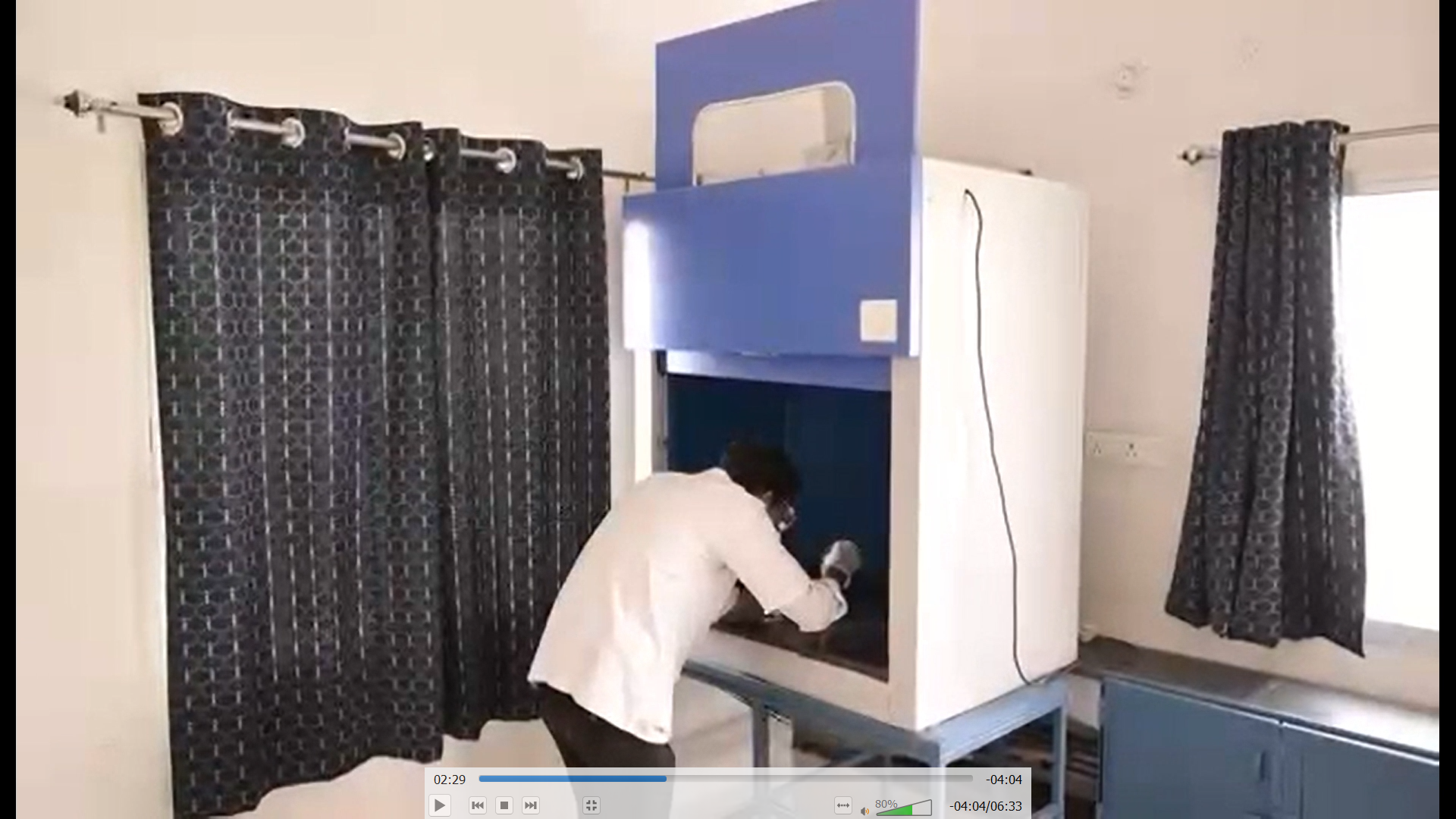
Personal experimentation, not passive observation.
A demonstration can introduce a concept, but personal experimentation allows each student to investigate and verify it independently. This individual involvement is essential — learning cannot be assumed merely because a teacher has explained something.
Every student. Every concept. Concept mastery.
Every learner handles tools, performs experiments, collects data, analyses results, participates in discussions and receives feedback. Students become active participants in the learning process rather than passive recipients of information.
Real engagement is a purpose, a role and a responsibility.
Student engagement is not created only by making a lesson entertaining. Real engagement happens when every learner has a job to do — and can be seen doing it.
This approach is designed to achieve maximum participation and ensure that no student is left behind. It also enables teachers to observe what each learner is doing, identify difficulties and provide immediate support.
Students learn with greater interest because they are discovering relationships for themselves. Concepts become easier to understand, remain in memory longer and can be applied with greater confidence.
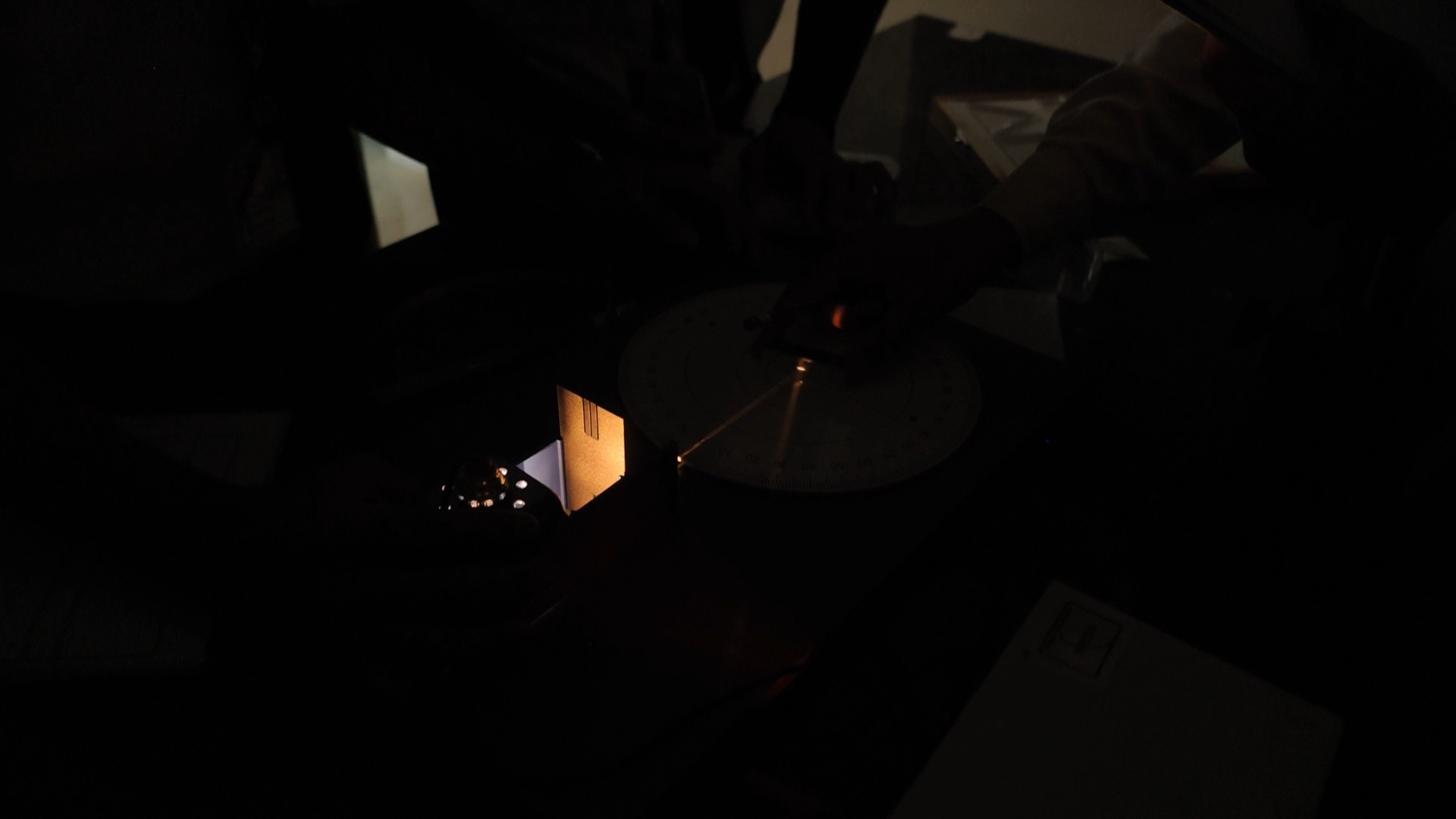
Watch students learn by doing.
Concept Lab · Physics investigation
Mathematics as a laboratory subject
From experiment to problem-solving
PBL-TDLE = Problem-Based Learning through Teaching by Demonstrations and Learning by Experiments.
Its purpose is to connect concept development with concept application. At the centre are the concepts students must understand and apply — around them, the processes that make mastery possible.
Make concepts visible and measurable.
Introduce concepts in action.
Let students investigate independently.
Produce evidence.
Develops scientific thinking.
Confirms understanding.
Opportunities to apply concepts.
Strengthens learning and mastery.
Concept Labs provide the physical and academic environment in which this entire process takes place. They are not an additional facility attached to the curriculum — they are the learning environment required to implement the PBL-TDLE framework effectively.
Beyond knowing — to investigate, verify, apply, solve, discover and create.
Research and innovation begin with strong concepts, careful observation, reliable measurement, scientific investigation and meaningful questions. By experiencing this process from an early age, students gradually learn to think and work like scientists, mathematicians, researchers and innovators.
THECREATOR PBL-TDLE framework therefore moves education beyond knowing. Concept Labs develop concepts. Developed concepts make problem-solving possible. Problem-solving prepares students for research, innovation and real-world contribution.
Engage to Learn & Learn to Innovate